What to Do When Child Protective Services Gets Involved?
A visit from Child Protective Services (CPS) can feel frightening and confusing for any parent or guardian. You may find your mind racing with questions and fears about your family’s future. By learning about CPS and how to respond during an investigation, you can take control of the situation and work toward the best outcome for your children.
This guide will walk you through CPS’s role, outline immediate steps to take if they contact you, and provide practical tips for cooperating without giving up your rights. We’ll also address common misconceptions and share helpful resources.
What is Child Protective Services and What Does It Do?
Child Protective Services investigates reports of child abuse and neglect. Each state runs its own agency, sometimes under names like the Department of Children and Family Services (DCFS). The agency’s main focus is ensuring children’s safety and well-being.
The Texas Department of Family and Protective Services established Child Protective Services to serve children across Texas. CPS actively investigates reports of abuse or neglect. Sometimes, misunderstandings or false accusations arise, and parents must defend themselves against these challenges.
When someone—such as a teacher, doctor, or neighbor—reports suspected child abuse, CPS must investigate. During an investigation, caseworkers assess the home and decide whether there’s a credible risk of harm. An investigation doesn’t mean you’re guilty. CPS usually tries to offer resources and support that keep families together when it’s safe. The agency views removing a child as a last resort.
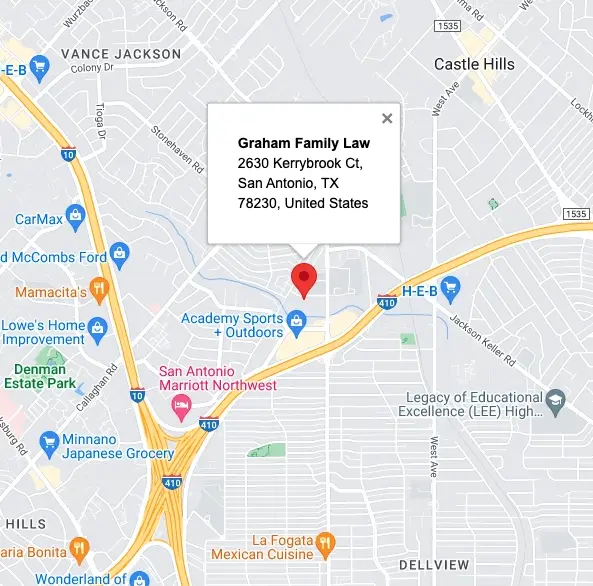
Any CPS involvement is serious. You need to understand your rights and know you CAN hire a lawyer to represent you. At Graham Family Law, our attorneys in San Antonio protect parents facing the risk of losing their children because of hearsay, lies, or assumptions. Our team stands ready to defend your rights throughout the process.
Know your legal rights when dealing with CPS
If CPS becomes involved, caseworkers will visit your home to check on your children’s well-being and investigate any allegations. Unless they bring a judge’s written, signed warrant, you do not have to let them inside. If they have a warrant and move forward with the investigation, you have the right to legal representation, and we will stand by your side.
Hire a specialized CPS attorney
CPS in Texas pursues child safety with urgency. If you face a CPS inquiry, hire attorneys who focus on CPS cases—not just general legal counsel. Graham Family Law’s attorneys know how to navigate CPS challenges and will design an effective defense for your specific situation.
How to initiate a legal defense against CPS
If CPS contacts you about a legal matter, reach out to us as soon as possible. We’ll review your circumstances with no obligation. Graham Family Law will fight to defend your rights and, if CPS already has your children, we’ll do everything possible to reunite your family.
Steps to Take if CPS Contacts You
A knock or call from a CPS caseworker can feel overwhelming, but your response matters. Stay calm and gather information so you can move forward in a constructive way.
1. Stay Calm and Polite
Your first feelings might be panic or anger, but keeping calm and polite helps. Remember, the caseworker does their job to protect children. If you cooperate and treat them respectfully, you set a positive tone. Hostility will only make things harder.
2. Verify the Caseworker’s Identity
Before you let anyone inside or answer questions, ask to see their official identification. Check their identity and the purpose of the visit by calling the local CPS office if you have doubts.
3. You Can Ask to Reschedule
You do not have to allow entry immediately if a caseworker arrives without notice. Tell them politely the timing isn’t good, and suggest rescheduling soon—perhaps the next day. This pause gives you time to get composed or seek legal advice. Be aware that repeatedly refusing entry could be seen as uncooperative and may prompt CPS to return with law enforcement or a court order.
4. Contact an Attorney
As early as possible, contact an attorney who specializes in juvenile dependency or family law. A knowledgeable lawyer will explain your rights, guide you through the process, and represent you during interviews or in court. Strong legal support is the best way to protect your family.
Cooperating with CPS While Protecting Your Rights
When dealing with a CPS investigation, balance cooperation with protecting your own interests. Show you want your child to remain safe but do not ignore your rights as a parent.
Be Honest, But Cautious
Give truthful answers, but respond only to what the caseworker asks. Stay direct and factual. Avoid speculation or long, personal stories that someone could misunderstand. You can say, “I don’t know,” or, “I’d like my attorney present before answering.”
Keep Detailed Records
Write down every interaction with CPS. Note the date, time, and the caseworker’s name. Record what was discussed, what questions they asked, and your responses. Make copies of all documents you exchange. Keeping these records can help immensely if the case leads to a dispute or legal proceedings.
Prepare Your Home for a Visit
If you know a visit is scheduled, clean and organize your home. Make sure your pantry and refrigerator contain enough food. Store hazardous items, like cleaning supplies or medications, safely out of reach. A safe, orderly home supports your case that your child lives in a healthy environment.
Do Not Sign Anything Without Legal Review
Sometimes, CPS will ask you to sign a safety plan or release of information. Do not sign anything unless you fully understand each document and, ideally, have your attorney review it. These documents can affect your parental rights in major ways.
Common Misconceptions About CPS
Misunderstandings about CPS can cause worry and mistakes. Here are some myths and facts:
- Myth: CPS can take your children away for any reason.
Fact: CPS must have evidence of imminent danger or significant harm and follow legal procedures before removing a child. The agency needs a court order unless there’s an emergency that puts a child’s life at risk. - Myth: Talking to CPS means I’m admitting guilt.
Fact: Cooperation does not mean you accept guilt. Participating helps clarify the situation, while refusing may hurt your case. - Myth: CPS removes children because of a messy house.
Fact: Caseworkers look for true hazards, such as exposed wiring, mold, lack of running water, or substance abuse—not general clutter or untidy rooms.
Resources for Additional Support
A CPS investigation can feel lonely, but you do not have to handle it alone. You can find support from several resources:
- Legal Aid Societies: Many cities and counties have Legal Aid organizations offering free or low-cost legal help.
- Family Advocacy Groups: Organizations such as the National Family Preservation Network provide information and advocate for policies that keep families together.
- Parenting Classes and Support Groups: CPS may recommend parenting classes, which can help you gain new skills and demonstrate your commitment. Ask your local health department or community center for referrals.
- Mental Health and Substance Abuse Services: If your case includes concerns about mental health or substance use, proactively seeking help shows CPS you take the matter seriously.
Interacting with CPS is serious, but you have ways to manage it. Stay calm, get informed, and contact Graham Family Law —these actions help you protect your rights and your children’s well-being.
Related reading:
Fostering a Relative-Kinship Care
Do I Need a Temporary Protective Order During My Divorce?
Considering Divorce in Texas? Here’s What To Do
Your Rights When an Abuser is Active Duty
Ready to File for Divorce? Now what?
Texas Department of Family and Protective Services – Family Support Programs
Texas Department of Family and Protective Services – Report Abuse, Neglect, or Exploitation